Access problems for Kennington waste removal on narrow streets
Posted on 13/06/2026
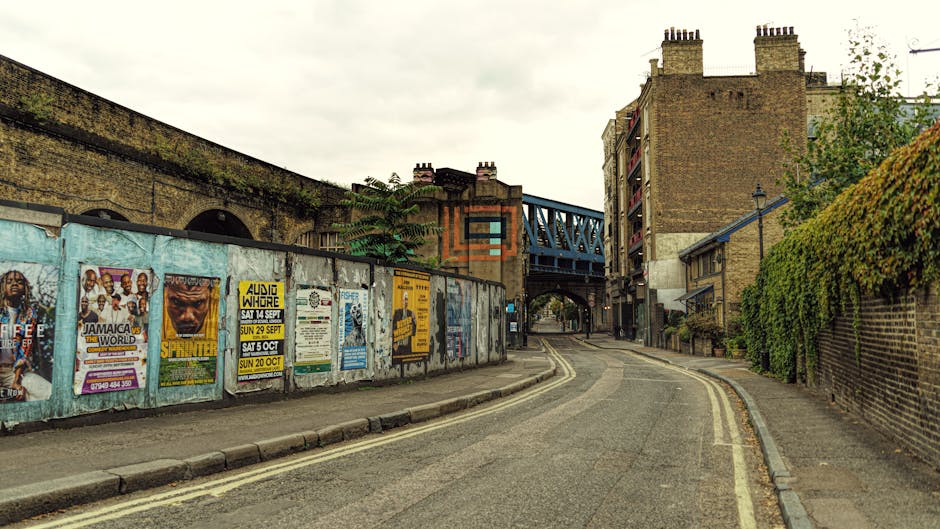
Narrow roads, tight turns, parked cars, and shared entrances can make waste collection feel far more complicated than it should. In Kennington, that is often the reality. If you are dealing with Access problems for Kennington waste removal on narrow streets, the issue is rarely just about moving rubbish from A to B; it is about planning a safe route, choosing the right vehicle, and working around the rhythm of local streets without creating extra hassle for neighbours or residents.
Truth be told, a lot of waste removal jobs go smoothly only because someone has thought ahead. A front row of parked cars, a bin store tucked behind a narrow gate, or a basement flat with a tight stairwell can change the whole job. This guide breaks down what access problems really mean, why they matter, and how to manage them properly in Kennington. You will also find a practical checklist, a comparison table, and a realistic example based on the kind of streets people actually deal with around SE11.
If you want to explore the wider service context first, you may find the services overview and rubbish removal in Kennington useful starting points.
- Why access problems matter
- How narrow-street waste removal works
- Key benefits and practical advantages
- Who this is for
- Step-by-step guidance
- Expert tips
- Common mistakes to avoid
- Tools, resources and recommendations
- Law, compliance and best practice
- Options and comparison table
- Case study
- Practical checklist
- Conclusion
- Frequently asked questions
Why Access problems for Kennington waste removal on narrow streets Matters
Access sounds like a simple logistics issue. In practice, it affects timing, safety, cost, neighbour relations, and whether a collection can happen at all. On narrower Kennington streets, a crew may not be able to park directly outside the property. Sometimes the vehicle has to stop further along the road. Sometimes the team must use smaller loads or collect in stages. And sometimes a job needs a little more coordination than anyone expected.
That matters for residents, landlords, letting agents, builders, office managers, and anyone clearing space in a rush. A missed step can mean extra labour, delayed completion, or the need to reschedule. Nobody wants a pile of builders' waste sitting outside for another day, especially when the street is already busy and the neighbours are peering out from behind their curtains. It happens.
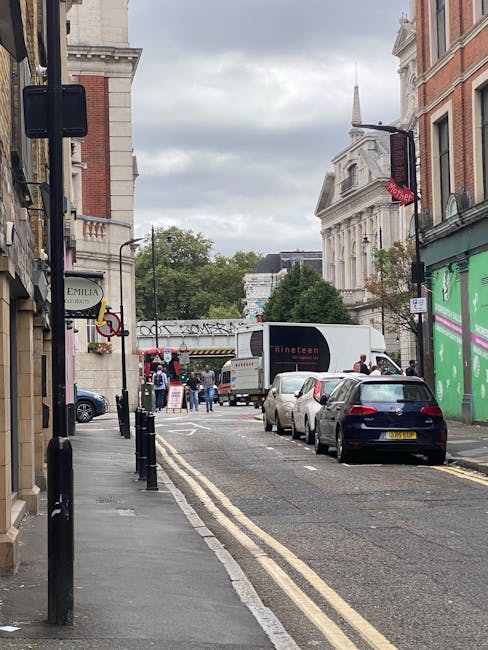
The local context is important too. Kennington includes a mix of period terraces, mansion blocks, converted buildings, and tight residential lanes. Some properties have limited frontage, some have shared hallways, and some have loading space that disappears the moment a delivery van turns up. If you live or work in the area, you may already know the feeling: the street looks manageable until a large collection vehicle arrives.
For readers looking beyond this specific access issue, a broader local perspective can be helpful too. The article on Kennington's local character gives a useful sense of the neighbourhood fabric, while navigating Kennington's property market shows why access and layout come up so often in day-to-day property decisions.
How Access problems for Kennington waste removal on narrow streets Works
The process usually starts with an access check. That can be as simple as a phone conversation or a set of photos showing the road, front gate, hallway, stairs, parking restrictions, and the position of the waste. From there, the collection plan is shaped around what the street can realistically support.
In a normal easy-access job, a collection vehicle parks close by, the waste is loaded, and the team finishes in one continuous run. On narrow streets, the workflow often looks different:
- The crew assesses whether a large vehicle can reach the property safely.
- If not, they identify the nearest safe stopping point.
- They plan the carry distance from the property to the vehicle.
- They decide whether smaller loads, hand loading, or staged collection is required.
- They watch for risk points such as corners, steps, low walls, hanging cables, and moving traffic.
That sounds a bit technical, but in real life it is just careful thinking. Imagine a house clearance near a road with cars parked bumper to bumper. The waste may need to be moved in trolleys or carried by hand in several trips. If the job is builders' waste, a sheeted skip bag or smaller loads may be more practical than a full-size vehicle trying to squeeze into an impossible spot.
Where access is especially tight, planning can also involve timing. Early morning, lunchtime, or off-peak periods may be easier for loading. That is not a guarantee, of course, but it often helps. In areas close to busy routes, the difference between a calm arrival and a messy one can be ten minutes. Sometimes less.
For more on service types that often need this sort of planning, see house clearance in Kennington, builders' waste disposal, and office clearance.
Key Benefits and Practical Advantages
When access is planned properly, a difficult street stops being a deal-breaker. That is the main advantage. But there are some more specific benefits too.
- Fewer delays: a clear access plan reduces last-minute confusion.
- Lower risk of damage: narrow hallways, walls, railings, and parked vehicles are easier to protect when the route is planned.
- Better neighbour relations: quieter, tidier, better-timed work tends to create fewer complaints.
- More accurate pricing: the job can be quoted more honestly when the access conditions are known.
- Safer handling: crews can prepare the right lifting method, vehicle type, and team size.
There is another benefit people sometimes miss: confidence. If you are a landlord turning over a flat, a shop owner trying to reopen quickly, or a homeowner clearing a room before trades arrive, the last thing you need is uncertainty. Knowing the access challenge has been thought through takes a weight off your mind. It really does.
And to be fair, good planning is often what separates a smooth collection from a chaotic one. It is not glamorous. No one is putting it on a postcard. But it saves time and stress.
Who This Is For and When It Makes Sense
This kind of planning is useful for a wide range of people in Kennington, not just those in especially cramped streets. If any part of the route to the waste is tight, the job benefits from extra thought.
- Residents in terraced houses with no direct driveway or limited front loading space.
- People in flats or mansion blocks where the waste must travel through communal areas.
- Landlords and agents clearing between tenancies, especially where parking is uncertain.
- Builders and contractors working on refurbishments that generate bulky debris.
- Office managers dealing with furniture, archive material, or mixed office waste.
- Anyone arranging same-day removal where the access picture needs a quick but accurate review.
It also makes sense whenever you are unsure. If you have to ask yourself, "Will a van actually fit?" or "Can the team get a trolley through that entrance?" then yes, you probably need to think about access. The question alone is useful. It means you are already ahead of the game.
For local context around common collection challenges, the guide to rubbish collection near Kennington Station and the article on SE11 flat clearance services near Kennington Park Estate are both relevant.
Step-by-Step Guidance
If you are trying to make a tricky collection happen without drama, use a simple process. It does not need to be fancy. It just needs to be honest and specific.
- Check the route from waste to vehicle. Look at gates, stairs, communal halls, corners, and kerbs.
- Measure the problem points. Even rough measurements help. A few centimetres can matter more than you think.
- Notice parking pressure. Are cars usually parked both sides of the road? Is loading likely to be blocked at busy times?
- Identify fragile or awkward items. Sofas, wardrobes, radiators, and sheet materials need different handling.
- Send clear photos. A couple of photos taken in daylight are usually more useful than a long explanation.
- Confirm the waste type. Mixed waste, garden waste, builders' rubble, and furniture each affect the plan.
- Discuss timing. The quieter part of the day may be better, especially on a narrow road.
- Prepare the access route. Move bins, unlock gates, and keep the pathway clear.
- Stay reachable on the day. A quick call can solve a problem that would otherwise delay the job.
If there is one thing to remember, it is this: the cleaner the access information, the smoother the job. A bit of care upfront usually saves a lot of back-and-forth later.
Expert Tips for Better Results
Here are some field-tested tips that tend to make a real difference, especially on narrow Kennington streets.
- Photograph the street from both directions. It helps show whether a vehicle can approach from one side better than the other.
- Leave extra space near the waste. Even a small clear area can speed up loading massively.
- Use smaller, manageable piles. One huge stack is harder to assess and often harder to move.
- Think about weather. Wet steps, muddy paths, and slippery pavements slow everything down.
- Ask about manual carry distance. On narrow roads, that distance is often the biggest factor in labour time.
- Keep shared areas clear. This matters in flats and converted buildings where neighbours still need access.
A small but valuable habit is to stand at the front door and walk the route yourself before collection day. You will notice things that are easy to miss when you are focused on the mess itself. A low branch. A half-open gate. A bike chained to a railing. Silly little things. But they matter.
For people comparing services, it can also help to read the company's pages on pricing and quotes and insurance and safety so you know what should be covered and how access may affect the job.
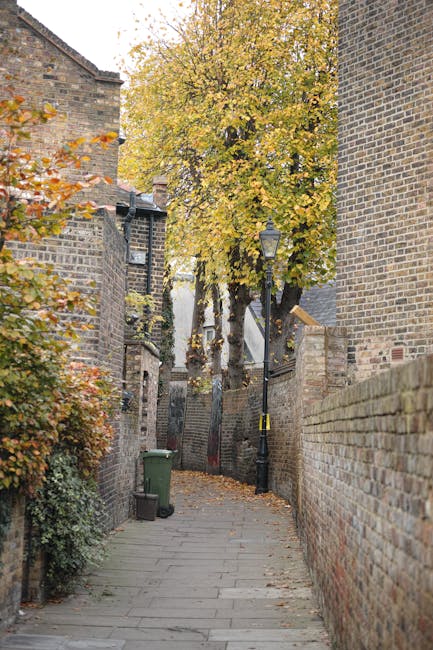
Common Mistakes to Avoid
Most access problems are avoidable, or at least manageable, but the same mistakes keep cropping up.
- Assuming a large vehicle will fit. Streets in Kennington can look wider in photos than they are in real life.
- Forgetting about parked cars. A road may be passable at 7 a.m. and jammed by 11 a.m.
- Not mentioning stairs or basement access. Internal access can be harder than street access.
- Mixing waste types without saying so. Mixed loads can change how the job is planned.
- Leaving it until the last minute. Last-minute collections are possible sometimes, but access issues become harder to solve under pressure.
- Blocking hallways or exits. That creates safety problems and slows everything down.
One more thing: don't underestimate how tiring repeated lifting can be when a vehicle cannot get close. People often think, "It's only a short distance." Then they see a sofa, three flights of stairs, and a corner turn that eats energy for breakfast. Not ideal.
Tools, Resources and Recommendations
You do not need a van full of fancy kit to handle access challenges well, but a few practical tools and habits help a lot.
| Tool or approach | What it helps with | Best use case |
|---|---|---|
| Phone camera photos | Shows street width, gates, and carrying route | Quick quotes and pre-checks |
| Basic tape measure | Checks gate widths, stair landings, and item sizes | Flats, terraces, and tight entrances |
| Simple written notes | Records restrictions, timing, and neighbour considerations | Repeat collections or landlord-managed properties |
| Moveable trolleys | Speeds up safe carrying over short distances | When the vehicle must stop further away |
| Staged loading | Breaks large jobs into manageable sections | Mixed waste or bulky household clearances |
Useful local reading can also make planning easier. The article on rubbish removal in SE11 around Kennington, Oval and Park is a practical companion piece, and for event-heavy periods the guide to Oval Stadium match-day waste removal offers helpful context about busy local conditions.
Law, Compliance, Standards, or Best Practice
Access planning is not just about convenience. It overlaps with safety, duty of care, and sensible day-to-day professionalism. In the UK, waste handlers are expected to manage waste responsibly, keep people safe during loading, and avoid causing unnecessary obstruction or risk. The exact requirements vary by situation, but the underlying principle is simple: do the job safely and lawfully.
For narrow streets, the best practice is usually to:
- avoid blocking essential access routes without proper planning,
- keep walkways clear wherever possible,
- use suitable lifting methods for heavy or awkward items,
- separate waste streams where appropriate,
- and be clear about any hazards before the collection starts.
If a property has shared entrances, stairs, or communal corridors, courtesy matters as well. That means protecting surfaces where needed and not leaving debris behind. In mixed residential buildings, that kind of care is often the difference between a job that feels smooth and one that feels, well, a bit grim.
It is also sensible to check whether the provider explains safety procedures, payment handling, and terms clearly. The pages on payment and security and terms and conditions are worth a look for that reason.
Options, Methods, or Comparison Table
When access is difficult, there is usually more than one way to complete the removal. The best method depends on the waste type, the road, and the property layout.
| Method | Pros | Trade-offs | Best for |
|---|---|---|---|
| Full-size vehicle nearby | Fast loading, fewer trips | May not fit on narrow streets | Wider roads and easy access |
| Park-and-carry | Flexible and often workable in tight areas | More labour and longer carry distance | Terraces, flats, and restricted roads |
| Smaller load staging | Good for awkward or mixed waste | May take longer overall | Builder's waste and gradual clearances |
| Pre-sorted collection | Reduces confusion and speeds sorting | Needs more prep from the customer | Moves where waste is already organised |
Which option is best? Usually the one that matches the street instead of forcing the street to match the job. That sounds obvious, but people forget it all the time.
Case Study or Real-World Example
Picture a typical Kennington terrace with a narrow pavement, cars parked on both sides, and a side return stacked with old shelving, a broken desk, and a few bags of mixed household rubbish. The property owner wants it gone before decorators arrive the next morning.
At first glance, it looks awkward. The vehicle cannot sit directly outside. The hallway is narrow. There is a gate that opens inward and barely clears the bins. Not impossible, though. Just awkward.
The practical solution is straightforward: the team is sent photos beforehand, the loading point is chosen a short distance away, and the waste is broken into manageable sections. The heavy items are taken out first, the bags are stacked neatly, and the route is kept clear the whole time. The job finishes later than a perfect-access collection would, but it is completed safely and without damage.
That is the real lesson. Access problems are often solvable when everyone is honest about the constraints. You do not need perfect conditions. You need a realistic plan and a bit of patience. Sometimes that is all it takes.
Practical Checklist
Use this before collection day if you are worried about narrow-street access.
- Take clear photos of the front of the property and the street.
- Check whether a van or larger vehicle can stop nearby.
- Measure gates, stairs, and the biggest items if needed.
- Move cars, bins, bikes, and other obstacles if you can.
- Tell the provider about basement access, upper floors, or shared entrances.
- Make sure the waste is easy to identify and not hidden in several rooms.
- Keep pets and children away from the loading area.
- Agree a time window that suits the street's traffic pattern.
- Confirm how the team should enter the property if access is via a communal door.
- Have your phone nearby in case the crew needs a quick update.
Expert summary: if the road is narrow, the property is awkward, or parking is unpredictable, treat access as part of the job brief rather than an afterthought. The more precise your information, the more reliable the result.
Conclusion
Access problems for waste removal in Kennington are common, but they are not a dead end. Narrow streets, busy parking, and awkward entrances are manageable when the collection is planned with care. The key is to think about the route, not just the rubbish.
When you give clear access details, you help the collection go faster, safer, and with less stress for everyone involved. That matters whether you are emptying a flat, clearing a shop, or removing builder's debris from a tight residential road. A little planning goes a long way, especially in places where the street itself is part of the challenge.
If you are comparing options or preparing a tricky collection, it is worth taking a few minutes to review the available service information and make sure the access picture is properly understood before the job starts.
Get a free quote today and see how much you can save.
And if the street looks impossible at first glance, don't panic. Most of the time, it just needs a smarter route and a calmer pair of eyes.


 Tipper Van - Rubbish Removal and Commercial Clearance Prices in Kennington, SE11
 Luton Van - Rubbish Removal and Commercial Clearance Prices in Kennington, SE11